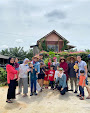
Assalamualaikum wbt
I wish to share a draft proposal paper on the study and spiritual development program for the fuqara of Zawiyah Darqawi. Below is the complete proposal, retaining its Islamic spiritual orientation, the teachings of tasawwuf, and the central .
From Knowledge to Ma‘rifah, From Ma‘rifah to the Realisation of Haqiqah
The Formation of the Human Being through Tawhid, Tazkiyah, Sabr, Shukr and Service
Venue: Zawiyah Darqawi, Lenggeng, Negeri Sembilan, Malaysia
Target Participants: The fuqara, members of the tariqah, and members of the wider community participating in the Zawiyah’s educational programmes.
The Zawiyah’s Motto:
DEVELOPING THE HUMAN BEING, CULTIVATING THE EARTH, REVIVING WAQF
1. INTRODUCTION
All praise belongs to Allah SWT, Lord of all the worlds. May peace and blessings be upon our beloved Prophet Muhammad SAW, his family, his Companions and all those who follow the path of truth.
The fundamental purpose of human creation is to worship and serve Allah SWT. Allah declares in Surah al-Dhariyat, verse 56:
وَمَا خَلَقْتُ الْجِنَّ وَالْإِنسَ إِلَّا لِيَعْبُدُونِ
Meaning:
“And I did not create jinn and mankind except to worship Me.”
Worship, in its comprehensive meaning, is not confined to ritual acts alone. It encompasses the entire life of a Muslim, guided by the teachings of Allah and His Messenger. It includes the development of the heart, character, intellect, work, family relationships and responsibilities towards society and the natural environment.
Tasawwuf is a discipline concerned with the purification and education of the soul, enabling a person to live with a deeper awareness of Allah. It is not a path of withdrawing from worldly life, but rather a way of living in the world with consciousness of Allah, guided by the Shariah, proper conduct and noble character.
Therefore, the educational programme at Zawiyah Darqawi should aim to develop individuals who not only understand Islamic knowledge and tasawwuf, but are also able to translate that understanding into their daily lives.
This journey requires commitment, dedication and perseverance. It cannot be achieved through intellectual knowledge alone. A person must be prepared to discipline the ego, improve character, accept correction, face life’s trials and fulfil responsibilities.
For this reason, Sabr (patience) and Shukr (gratitude) are proposed as two fundamental pillars of the spiritual development of the fuqara. Sabr enables us to remain steadfast in the face of difficulties, while Shukr teaches us to appreciate the blessings, guidance and opportunities bestowed upon us by Allah.
This programme is intended to provide a foundation for developing individuals who know Allah, regard life as a trust and are willing to serve the religion, society and the Ummah.
2. RATIONALE AND NEED FOR THE PROGRAMME
Contemporary life presents humanity with numerous challenges. Technological advancement, social transformation, economic pressures, workplace competition and the development of artificial intelligence have changed the way people work, communicate and interact.
Although material conveniences continue to increase, human beings still need guidance to develop inner peace, moral strength and a meaningful purpose in life.
In this context, the study of tasawwuf has an important role to play in:
- Strengthening the understanding of Tawhid and the relationship between the servant and Allah.
- Purifying the soul from blameworthy qualities such as riya’ (ostentation), ’ujb (self-conceit), takabbur (arrogance), hasad (envy) and excessive attachment to worldly possessions.
- Developing character based on proper conduct, compassion, trustworthiness and sincerity.
- Teaching individuals to face life’s trials with patience and receive its blessings with gratitude.
- Connecting knowledge with practice and service to society.
- Developing individuals who can use knowledge, skills and resources for the benefit of the Ummah.
The programme also seeks to revive the role of the Zawiyah as a centre of knowledge, remembrance of Allah, spiritual development, fellowship and service.
A Zawiyah should not merely be a place for gatherings or the performance of particular spiritual practices. It should be a place of human development that connects one’s relationship with Allah to one’s responsibilities in everyday life.
3. AIM OF THE PROGRAMME
The principal aim of this programme is:
To develop fuqara who understand and embody Tawhid, strive towards Ma‘rifatullah, discipline their souls through the practice of tasawwuf, cultivate Sabr and Shukr, and translate their knowledge into good character and meaningful service in their lives.
The programme also aims to establish a continuous culture of learning and spiritual development at Zawiyah Darqawi, based on the Qur’an, Sunnah, sound scholarship and the guidance of qualified teachers.
4. OBJECTIVES OF THE PROGRAMME
By the end of the programme, participants are expected to:
- Understand the purpose of human creation and their responsibilities as servants and vicegerents of Allah.
- Strengthen their understanding of Tawhid based on the Qur’an and Sunnah.
- Understand the concepts of Ma‘rifatullah and the realisation of servanthood.
- Understand the relationship between Shariah, Tariqah, Ma‘rifah and Haqiqah.
- Appreciate the teachings of tasawwuf and spiritual education developed by Shaykh Abdalqadir as-Sufi, together with the heritage of recognised scholars of tasawwuf.
- Practise dhikr, worship and self-examination consistently under the guidance of a teacher.
- Develop Sabr in the pursuit of knowledge, spiritual struggle and the challenges of life.
- Develop Shukr through an appreciation of Allah’s blessings and the proper use of those blessings in ways pleasing to Him.
- Improve personal character and relationships with others.
- Translate knowledge into work, transactions, family life and community service.
- Appreciate the responsibility of preserving and developing the waqf entrusted to the Zawiyah.
- Adopt the Zawiyah’s motto as a guiding principle for human development and the advancement of the Ummah.
5. EDUCATIONAL PHILOSOPHY AND FRAMEWORK
The programme is founded upon three principal educational pillars.
5.1 Tawhid – Knowing Allah
Tawhid is the foundation of the entire life of a Muslim. All knowledge, worship, work and human relationships should be rooted in servitude to Allah.
The study of Tawhid aims to establish the understanding that Allah is the Creator, Owner and Sustainer of all existence. Human beings are His servants, dependent upon Him and responsible for fulfilling the trust of life.
5.2 Tazkiyah – Purification and Education of the Soul
Tazkiyat al-nafs refers to the process of purifying and educating the soul through knowledge, worship, dhikr, mujahadah, repentance and the cultivation of good character.
It involves recognising one’s weaknesses, struggling against the lower self and improving one’s relationship with Allah and fellow human beings.
5.3 Khidmah – Translating Knowledge into Action
Knowledge and spiritual understanding must lead to action. A person who strives to draw closer to Allah should demonstrate better character and become increasingly beneficial to others.
Khidmah, or service, expresses the responsibility of a servant towards family, society, the natural environment and the Ummah.
5.4 Sabr and Shukr – Two Values Throughout the Entire Journey
Sabr and Shukr are values that run throughout all three educational pillars.
- In Tawhid, we exercise patience in acquiring knowledge and gratitude for the blessings of faith and guidance.
- In Tazkiyah, we exercise patience in struggling against the lower self and gratitude for the opportunity to improve ourselves.
- In Khidmah, we exercise patience in fulfilling our responsibilities and gratitude for the opportunity to serve.
The relationship between knowledge, Ma‘rifah, the realisation of Haqiqah and action is used as an educational framework. It does not imply that completing the modules guarantees the attainment of any particular spiritual rank or station. All guidance and spiritual attainment are ultimately by the permission of Allah.
6. THE FOUNDATIONS OF TASAWWUF AND THE TEACHINGS OF SHAYKH ABDALQADIR AS-SUFI
This programme will give particular attention to the thought and spiritual educational approach of Shaykh Abdalqadir as-Sufi, especially in relation to Tawhid, action, proper conduct, dhikr, love for the Messenger of Allah SAW and the practical realisation of Islam in everyday life.
The principal themes include:
6.1 Tawhid as the Foundation of Life
Tawhid is not merely intellectual knowledge of the attributes of Allah. It is the awareness that all human life exists under His power and authority.
The realisation of Tawhid should cultivate trust in Allah, sincerity, humility and freedom from absolute dependence upon created beings.
6.2 Ma‘rifatullah and Self-Knowledge
Ma‘rifatullah refers to the servant’s knowledge and recognition of Allah through the guidance of revelation and the realisation of faith.
This recognition cannot be separated from the Shariah and proper conduct. The more a person understands his or her servanthood, the more deeply that person recognises their dependence upon Allah.
6.3 Dhikr and Awareness of Allah
Dhikr is an essential practice in the education of the heart. It helps a servant remember Allah in worship and throughout daily life.
Specific tariqah practices of dhikr should be performed according to the guidance and authorisation of a qualified teacher.
6.4 Taqwa and Furqan
Taqwa develops constant awareness of Allah and His watchfulness. Furqan refers to the ability to distinguish truth from falsehood based on divine guidance.
In contemporary life, these principles are particularly important when dealing with media, technology, finance, employment and the many choices people face.
6.5 Mahabbah and Following the Messenger of Allah SAW
Love for Allah should be expressed through love for and adherence to the Messenger of Allah SAW.
His character provides the model for worship, family life, leadership, social relationships and service to humanity.
6.6 Amal as the Evidence of Knowledge
The study of tasawwuf must produce positive changes in life. Sound understanding should lead to better worship, improved character and more sincere service.
These themes may be studied through the relevant works and teachings of Shaykh Abdalqadir as-Sufi, with proper verification of editions and bibliographical information.
7. SABR AND SHUKR: THE CENTRAL PILLARS OF SPIRITUAL DEVELOPMENT
7.1 Understanding Sabr
Sabr is the steadfastness of a servant in fulfilling obedience to Allah, avoiding what He has prohibited, and facing life’s trials and difficulties without abandoning proper conduct or reliance upon Him.
Sabr does not mean passivity or surrender without effort. It requires commitment, perseverance and consistency.
Its principal forms include:
- Patience in carrying out acts of obedience to Allah.
- Patience in avoiding prohibited actions.
- Patience in facing trials and difficulties.
- Patience in acquiring knowledge and accepting correction.
- Patience in fulfilling responsibilities and serving others.
7.2 Understanding Shukr
Shukr is the recognition that all blessings come from Allah, accompanied by praise of Him and the use of those blessings in ways pleasing to Him.
Gratitude may be understood through three dimensions:
- Gratitude of the heart: Recognising that all blessings come from Allah.
- Gratitude of the tongue: Praising Allah and expressing Alhamdulillah.
- Gratitude through actions: Using blessings for worship, work, family responsibilities and the benefit of society.
7.3 Allah’s Promise to Those Who Practise Sabr
Allah SWT declares in Surah al-Insan, verse 12:
وَجَزَاهُم بِمَا صَبَرُوا جَنَّةً وَحَرِيرًا
Meaning:
“And He will reward them for their patience with a Garden and silk garments.”
This verse demonstrates that patience exercised for the sake of Allah carries immense reward, including the reward of Paradise.
In Surah al-Zumar, verse 10, Allah declares:
إِنَّمَا يُوَفَّى الصَّابِرُونَ أَجْرَهُم بِغَيْرِ حِسَابٍ
Meaning:
“Indeed, those who are patient will be given their reward without measure.”
Allah also declares in Surah al-Baqarah, verse 153:
إِنَّ اللَّهَ مَعَ الصَّابِرِينَ
Meaning:
“Indeed, Allah is with those who are patient.”
These verses provide strength and encouragement for the fuqara to remain steadfast in their studies, worship and service.
7.4 Allah’s Promise to Those Who Practise Shukr
In Surah Ibrahim, verse 7, Allah SWT declares:
لَئِن شَكَرْتُمْ لَأَزِيدَنَّكُمْ
Meaning:
“If you are grateful, I will surely increase you.”
The increase in blessings does not necessarily refer only to material wealth. It may also include an increase in faith, guidance, blessing, understanding, inner peace and opportunities to perform good deeds.
In Surah Ali ’Imran, verse 145, Allah declares:
وَسَنَجْزِي الشَّاكِرِينَ
Meaning:
“And We will reward those who are grateful.”
This verse reminds us that gratitude is a quality recognised and rewarded by Allah.
7.5 The Prophetic Hadith on the Virtues of Sabr and Shukr
The Messenger of Allah SAW said:
عَجَبًا لِأَمْرِ الْمُؤْمِنِ، إِنَّ أَمْرَهُ كُلَّهُ خَيْرٌ
Meaning:
“How wonderful is the affair of the believer. Indeed, all his affairs are good for him.”
The Prophet SAW explained that when a believer experiences ease and prosperity, he gives thanks, and that is good for him. When he experiences hardship, he exercises patience, and that is also good for him.
Narrated by Muslim, Hadith No. 2999.
This hadith provides an important principle for the programme: a believer strives to make every circumstance of life a means of attaining goodness.
7.6 The Prophet SAW as the Example of a Grateful Servant
In a hadith narrated by Sayyidatina ’Aishah RA, the Messenger of Allah SAW would stand in prayer at night until his feet became swollen.
When asked why he exerted himself in worship when Allah had forgiven his past and future shortcomings, he replied:
أَفَلَا أَكُونُ عَبْدًا شَكُورًا
Meaning:
“Should I not be a grateful servant?”
Narrated by al-Bukhari, Hadith No. 1130, and Muslim, Hadith No. 2819.
This hadith teaches us that worship is not merely a means of obtaining reward. It is also an expression of a servant’s gratitude towards Allah.
7.7 Practising Sabr and Shukr in Daily Life
Sabr and Shukr should be cultivated in every circumstance:
- While studying: Be patient in learning and grateful for guidance.
- When receiving correction: Be patient and humble, and be grateful for the opportunity to improve.
- During spiritual struggle: Be patient in resisting the lower self and grateful for the strength to persevere.
- When receiving sustenance: Be grateful and share with others.
- When facing difficulties: Be patient, make every reasonable effort and place one’s trust in Allah.
- When achieving success: Be grateful, avoid arrogance and never forget Allah.
- When serving others: Be patient in fulfilling responsibilities and grateful for the opportunity to perform good deeds.
The guiding principle for the fuqara:
“Patience throughout the journey, gratitude for every blessing, steadfastness in practice and service for the sake of Allah.”
8. THE TWELVE-MONTH STUDY AND SPIRITUAL DEVELOPMENT CURRICULUM
The programme is proposed to run for twelve months, with one principal theme for each month. The study can be adapted according to the participants’ abilities, backgrounds and levels of understanding.
Sabr and Shukr will be integrated into every module rather than confined to a single month.
Month 1: The Purpose of Human Creation and Servitude to Allah
Topics:
- The purpose of human creation.
- The concepts of servanthood and vicegerency.
- Worldly life as a test.
- The relationship between human beings, Allah and His creation.
Principal references: al-Dhariyat: 56; al-Mulk: 2.
Spiritual practice:
- Reflection on the purpose of life.
- Patience in developing discipline in study.
- Gratitude for the blessings of life and Islam.
Month 2: Tawhid and the Realisation of Servanthood
Topics:
- Foundations of Tawhid.
- Dependence upon Allah.
- Tawakkul and sincerity.
- Tawhid in everyday life.
Principal references: al-Ikhlas; al-Fatihah; al-Baqarah: 255.
Spiritual practice:
- Patience in deepening one’s understanding of Tawhid.
- Gratitude for the blessings of faith and guidance.
- Reflection on one’s dependence upon creation.
Month 3: Ma‘rifatullah
Topics:
- The meaning of Ma‘rifatullah.
- Knowing Allah through His Names and Attributes.
- The relationship between knowledge, faith and action.
- Ma‘rifat in daily life.
Principal references: Muhammad: 19; al-Dhariyat: 56.
Spiritual practice:
- Patience in acquiring knowledge and improving oneself.
- Gratitude for the opportunity to know Allah.
- Connecting knowledge with worship.
Month 4: The Reality of Servanthood and Life
Topics:
- The meaning of servanthood.
- The relationship between Shariah, Tariqah, Ma‘rifah and Haqiqah.
- Life as a trust.
- Awareness of Allah’s constant watchfulness.
Spiritual practice:
- Patience in accepting Allah’s decree.
- Gratitude for all blessings.
- Practising proper conduct in daily life.
Month 5: Taqwa and Furqan
Topics:
- The meaning of Taqwa.
- Awareness of Allah’s watchfulness.
- Distinguishing truth from falsehood.
- Taqwa in employment, finance and social relationships.
Principal references: al-Baqarah: 2; al-Anfal: 29.
Spiritual practice:
- Patience in avoiding prohibited matters.
- Gratitude for lawful sustenance.
- Maintaining trustworthiness and integrity.
Month 6: Tazkiyat al-Nafs
Topics:
- Diseases of the heart.
- Blameworthy and praiseworthy qualities.
- Repentance and self-examination.
- Proper conduct and character development.
Principal reference: al-Shams: 7–10.
Spiritual practice:
- Patience in struggling against the lower self.
- Gratitude for the opportunity to repent.
- Accepting correction with humility.
Month 7: Dhikr, Muraqabah and Awareness of Allah
Topics:
- The importance of dhikr.
- Remembrance of Allah in daily life.
- Muraqabah and self-examination.
- The proper conduct of dhikr and the relationship with the teacher.
Principal references: al-Ra’d: 28; al-Ahzab: 41–42.
Spiritual practice:
- Patience and consistency in spiritual practice.
- Gratitude for the blessing of remembering Allah.
- Practising dhikr under the guidance of the teacher.
Month 8: Mujahadah, Taslim and Istiqamah
Topics:
- The meaning of mujahadah.
- Struggling against the lower self.
- Trust and submission to Allah.
- Facing the trials of life.
Principal references: al-’Ankabut: 69; al-Baqarah: 153.
Spiritual practice:
- Patience in facing difficulties.
- Gratitude for strength and Allah’s assistance.
- Developing discipline and consistency.
Month 9: Mahabbah, Adab and Brotherhood
Topics:
- Love for Allah and His Messenger SAW.
- Following the Sunnah of the Prophet SAW.
- Proper conduct towards teachers, family and companions.
- Brotherhood and compassion.
Principal references: Ali ’Imran: 31; al-Hujurat: 10–12.
Spiritual practice:
- Patience in social relationships and accepting differences.
- Gratitude for the blessing of brotherhood.
- Guarding one’s speech and character.
Month 10: Amal, Khidmah and Social Responsibility
Topics:
- The relationship between knowledge and action.
- Service to family and society.
- Charity and welfare.
- Trustworthiness in employment.
Principal references: al-Ma’idah: 2; al-Baqarah: 177.
Spiritual practice:
- Patience in fulfilling responsibilities.
- Gratitude for the opportunity to serve.
- Performing work without seeking praise.
Month 11: Worldly Life, Sustenance, Muamalat and Waqf
Topics:
- The position of wealth in Islam.
- Lawful sustenance and responsibility.
- Principles of Islamic transactions.
- Waqf and the development of the Ummah.
- Responsible use of resources.
Principal references: al-Baqarah: 261; al-Hashr: 7.
Spiritual practice:
- Patience in working to earn a livelihood.
- Gratitude for wealth and resources.
- Practising sharing and charitable giving.
Month 12: Human Development and the Realisation of Life’s Purpose
Topics:
- Integrating knowledge, faith, action and character.
- Life as a servant of Allah.
- Responsibilities towards family and society.
- The role of the Zawiyah in human development.
- Planning the continuation of study and service.
Spiritual practice:
- Patience in continuing the lifelong journey.
- Gratitude for knowledge, experience and companionship.
- Planning meaningful and continuous service.
9. PROGRAMME IMPLEMENTATION METHODS
The programme will adopt an integrated approach combining study, spiritual practice and practical experience.
9.1 Weekly Study Sessions
A regular weekly session comprising:
- Study of the Qur’an and Hadith.
- Study of Tawhid and tasawwuf.
- Study of the works of Shaykh Abdalqadir as-Sufi.
- Discussions and questions.
- Reminders on Sabr, Shukr and Adab.
9.2 Seminars and Intensive Study
These will be organised every three months, focusing on selected themes such as:
- Tawhid and Ma‘rifatullah.
- Tazkiyah and Mujahadah.
- Sabr and Shukr.
- Amal, Khidmah and human development.
9.3 Practical Life at the Zawiyah
The fuqara are encouraged to participate in:
- Maintaining the cleanliness and facilities of the Zawiyah.
- Managing cultivation and agricultural activities.
- Preparing meals and welcoming guests.
- Managing welfare programmes.
- Participating in waqf development.
- Supporting educational and community programmes.
9.4 Sharing of Experiences
Regular sessions will be organised to discuss how knowledge and spiritual practices are applied in real-life situations.
10. DAILY PRACTICES AND DISCIPLINE OF THE FUQARA
The fuqara are encouraged to develop daily discipline according to their individual abilities and the guidance of their teacher.
Recommended practices include:
- Observing the obligatory prayers and congregational prayers.
- Reading the Qur’an consistently.
- Performing dhikr and wird taught by the teacher.
- Practising supplication and seeking forgiveness.
- Engaging in self-examination and reflection.
- Maintaining proper conduct, guarding one’s speech and preserving relationships.
- Fulfilling family and professional responsibilities.
- Setting aside time for service and charitable activities.
Specific tariqah practices should be performed according to the discipline, authorisation and guidance of a qualified teacher.
The Pledge of Spiritual Commitment for the Fuqara
Each faqir is encouraged to uphold the following commitments:
- I will strive to improve my relationship with Allah.
- I will seek knowledge with proper conduct and humility.
- I will strive to maintain my worship and dhikr.
- I will strive against my lower self and improve my character.
- I will strive to practise patience in facing life’s trials.
- I will strive to be grateful for all the blessings of Allah.
- I will strive to preserve brotherhood and respect others.
- I will strive to fulfil my responsibilities towards my family, work and society.
- I will strive to serve without seeking praise.
- I will strive to preserve the trust and waqf entrusted to the Zawiyah.
This pledge represents an educational commitment and a means of self-examination. It is not a declaration that an individual has attained spiritual perfection.
11. PRACTISING SABR AND SHUKR IN THE DAILY LIFE OF THE ZAWIYAH
To ensure that these values do not remain merely subjects of study, the Zawiyah is encouraged to implement practical exercises.
11.1 Sabr in Communal Life
- Respecting different views and perspectives.
- Accepting correction with an open heart.
- Avoiding disputes and unfounded assumptions.
- Being willing to help without choosing only convenient tasks.
- Maintaining proper conduct towards teachers and companions.
11.2 Shukr in Communal Life
- Appreciating the contributions of every individual.
- Being grateful for the facilities and opportunities provided for study.
- Using the Zawiyah’s resources responsibly.
- Practising charity and sharing.
- Avoiding wastefulness.
11.3 Reflection on Sabr and Shukr
Every month, the fuqara are encouraged to reflect upon three questions:
- What trials have I faced, and how have I exercised patience?
- What blessings has Allah given me, and how have I expressed gratitude?
- What acts of worship or service have I performed as an expression of my devotion to Allah?
This reflection is personal and educational. It is not intended as a means of measuring an individual’s spiritual station, rank or inward attainment.
12. REALISING THE ZAWIYAH’S MOTTO
The Zawiyah’s motto:
DEVELOPING THE HUMAN BEING, CULTIVATING THE EARTH, REVIVING WAQF
should serve as the philosophy that unites the entire educational and spiritual development programme.
12.1 Developing the Human Being
Human development begins with knowing Allah, recognising one’s responsibilities and improving one’s character.
It encompasses the development of:
- Spirituality and faith.
- Knowledge and understanding.
- Character and proper conduct.
- Skills and the ability to work.
- Family and social responsibilities.
Sabr is required throughout the process of learning and personal transformation. Shukr cultivates appreciation for the blessings of knowledge, teachers, companions and opportunities for self-improvement.
12.2 Cultivating the Earth
Human beings have been entrusted with the responsibility of cultivating the earth and using its resources wisely.
The Zawiyah can become a place that connects spiritual knowledge with agriculture, education, vocational skills, economic activities and community development.
Possible activities include:
- Agriculture and food production.
- Vocational education and TVET.
- Environmental management.
- Community-based economic activities.
- Entrepreneurship training.
- Community service programmes.
Sabr is required in working, cultivating the land and overcoming development challenges. Shukr is expressed through the responsible care of land, water, crops, harvests and sustenance.
12.3 Reviving Waqf
Waqf is a trust that must be protected and developed so that its benefits can be enjoyed continuously.
The Zawiyah should become a place that revives the culture of waqf through:
- Education and study.
- Development of facilities for worship.
- Beneficial agriculture and economic activities.
- Community welfare and assistance.
- Development of future generations.
- Trustworthy and transparent asset management.
Sabr is required in preserving the trust and implementing development progressively. Shukr is expressed through the responsible use of waqf opportunities to benefit present and future generations.
13. THE EXPECTED MODEL OF HUMAN DEVELOPMENT
The programme aims to develop individuals with five principal qualities:
1. The Rabbani Human Being
A person with a strong relationship with Allah, who observes worship and strives to embody Tawhid.
2. The Knowledgeable Human Being
A person who values knowledge, respects scholars and teachers, and remains willing to learn.
3. The Person of Good Character
A person who practises proper conduct, trustworthiness, humility, compassion, patience and gratitude.
4. The Skilled Human Being
A person capable of working, managing daily life, developing resources and contributing to the economic well-being of society.
5. The Service-Oriented Human Being
A person willing to benefit family, the Zawiyah, society and the Ummah.
14. PROGRAMME MANAGEMENT AND GOVERNANCE
To ensure effective implementation, the following organisational structure is proposed.
14.1 Muqaddim and Zawiyah Leadership
- Provide guidance and overall direction.
- Determine the suitability of the study content.
- Ensure that the discipline of the tariqah and the proper conduct towards teachers are preserved.
- Review the progress of the programme periodically.
14.2 Programme Coordinator
- Prepare the study schedule.
- Coordinate teachers and instructors.
- Manage participation of the fuqara.
- Prepare implementation reports.
14.3 Teachers and Instructors
- Deliver lessons according to their expertise and qualifications.
- Use reliable and verifiable sources.
- Guide participants in applying their knowledge.
- Maintain proper conduct and accuracy in teaching.
14.4 Spiritual Development and Practice Unit
- Coordinate dhikr and spiritual practices under the guidance of the teacher.
- Encourage discipline and consistency.
- Organise reflection and sharing sessions.
14.5 Service and Waqf Development Unit
- Coordinate welfare activities.
- Manage agricultural and development activities.
- Maintain the cleanliness and facilities of the Zawiyah.
- Ensure the participation of the fuqara in service activities.
14.6 Secretariat
- Prepare documentation.
- Manage attendance and activity records.
- Prepare periodic reports.
- Maintain study materials and references.
15. PROGRAMME DURATION AND IMPLEMENTATION PHASES
The programme is proposed to be implemented in four phases.
Phase 1: Preparation
Duration: First month.
Activities:
- Approve the programme framework.
- Appoint the coordinator.
- Identify suitable teachers.
- Prepare the schedule and study materials.
Phase 2: Pilot Implementation
Duration: Second and third months.
Activities:
- Commence foundational studies.
- Implement the Tawhid and Ma‘rifatullah modules.
- Introduce Sabr and Shukr exercises.
- Evaluate the suitability of the study schedule and methods.
Phase 3: Comprehensive Study and Spiritual Development
Duration: Fourth to eleventh months.
Activities:
- Implement the full study curriculum.
- Organise seminars and intensive study sessions.
- Activate service programmes.
- Strengthen the practice of Sabr and Shukr.
Phase 4: Evaluation and Consolidation
Duration: Twelfth month.
Activities:
- Evaluate programme implementation.
- Organise reflection and experience-sharing sessions.
- Identify areas for improvement.
- Plan the continuation of the programme.
16. PROGRAMME MONITORING AND EVALUATION
Evaluation is intended to ensure that the programme is implemented effectively and benefits both the participants and the Zawiyah.
The proposed indicators include:
- Attendance and participation in study sessions.
- Implementation of the study schedule.
- Participation in spiritual practices and development activities.
- Involvement in service and waqf development.
- Production of study materials and documentation.
- Sharing of experiences relating to Sabr and Shukr.
- Improvements in programme management and relationships among the fuqara.
Evaluation should focus on participation, understanding, proper conduct and observable practices. Spiritual stations, ranks or inward attainments must not be used as administrative measures of individual performance.
17. EXPECTED OUTCOMES AND IMPACT
The implementation of this programme is expected to produce the following outcomes.
17.1 At the Individual Level
- Better structured understanding of Tawhid and tasawwuf.
- Improved discipline in worship and study.
- Development of good character and proper conduct.
- Greater appreciation of Sabr and Shukr.
- Willingness to serve and improve one’s life.
17.2 At the Zawiyah Level
- Establishment of a continuous culture of knowledge and spiritual development.
- Stronger brotherhood and cooperation.
- Greater participation of the fuqara in the development of the Zawiyah.
- More systematic waqf management.
- Strengthening the role of the Zawiyah as a centre of education and service.
17.3 At the Community Level
- Expansion of welfare and educational programmes.
- Development of vocational skills and economic activities.
- Stronger relationships between the community and the Zawiyah.
- Development of individuals of good character who benefit society.
18. PROPOSED RESOLUTIONS FOR THE MEETING OF FUQARA
The meeting of the fuqara is invited to consider and approve the following:
- Accept the proposed Study and Spiritual Development Programme for the Fuqara of Zawiyah Darqawi.
- Adopt Tawhid, Tazkiyah and Khidmah as the three principal pillars of the programme.
- Strengthen Sabr and Shukr as values that run throughout the entire programme.
- Implement the study curriculum progressively over a period of twelve months.
- Appoint suitable coordinators and teachers.
- Conduct weekly study sessions and intensive seminars every three months.
- Integrate study with spiritual practice, service and waqf development.
- Conduct periodic evaluation and self-reflection.
- Continue the programme as a long-term educational and spiritual development initiative of the Zawiyah.
19. CONCLUSION
The study of tasawwuf is a journey of educating the heart and transforming one’s life. It is not merely an effort to acquire knowledge or understand spiritual terminology, but a process of becoming a better servant of Allah.
This journey requires commitment and perseverance. At times, we may be tested by difficulties, personal weaknesses, limited resources and the challenges of life. In such circumstances, we need Sabr. When we are blessed with knowledge, teachers, companions, family, sustenance and opportunities to serve, we must express Shukr.
Allah promises great rewards to those who practise patience and gratitude. Therefore, the fuqara should make these two qualities their constant companions throughout life’s journey.
We do not seek knowledge in order to claim that we have attained a particular spiritual station. Rather, we seek knowledge so that we may know Allah better, understand our responsibilities as His servants, improve our character and become more beneficial to His creation.
Zawiyah Darqawi should become a place that connects knowledge with action, dhikr with daily life, spiritual development with good character, and devotion to Allah with service to humanity.
Ultimately, all educational and development efforts should be guided by the Zawiyah’s motto:
DEVELOPING THE HUMAN BEING, CULTIVATING THE EARTH, REVIVING WAQF.
May Allah SWT accept these efforts as righteous deeds, grant us sincerity, preserve the brotherhood of the fuqara and give us the strength to remain steadfast upon His path.
آمِين يَا رَبَّ الْعَالَمِينَ
APPENDIX A
PROPOSED STUDY REFERENCES
The references should be selected according to the relevant modules and the participants’ levels of understanding.
A. The Qur’an and Hadith
- Al-Qur’an al-Karim.
- Sahih al-Bukhari.
- Sahih Muslim.
- Riyad al-Salihin – Imam al-Nawawi.
- Al-Muwatta’ – Imam Malik.
B. Works of Shaykh Abdalqadir as-Sufi
The relevant works and teaching materials of Shaykh Abdalqadir as-Sufi relating to Tawhid, Amal, Mahabbah, Safar, Islamic education and Muslim life may be used as study materials.
The following titles are proposed for further examination:
- The Book of Tawhid.
- The Book of Amal.
- The Book of Hubb.
- The Book of Safar.
- Root Islamic Education.
Publication details, exact titles and the suitability of each work should be verified against the original editions before inclusion in the formal bibliography.
C. Works of Classical Scholars of Tasawwuf
- Abd al-Qadir al-Jilani – Futuh al-Ghayb.
- Abd al-Qadir al-Jilani – Al-Fath al-Rabbani.
- Al-Qushayri – Al-Risalah al-Qushayriyyah.
- Abu Hamid al-Ghazali – Ihya’ ’Ulum al-Din.
These works may be used as references for the study of proper conduct, tazkiyah, mujahadah, patience, gratitude and the spiritual life of a servant of Allah.
APPENDIX B
PROPOSED THREE-MONTH PILOT PROGRAMME
Month One: The Purpose of Human Creation, Tawhid and Adab
Focus:
- The purpose of human creation.
- Foundations of Tawhid.
- Servanthood and responsibility.
- Proper conduct in seeking knowledge.
Practice:
- Self-reflection.
- Developing discipline in worship.
- Patience in learning.
- Gratitude for the blessing of faith.
Month Two: Ma‘rifatullah, Dhikr and Taqwa
Focus:
- The meaning of Ma‘rifatullah.
- Dhikr and Muraqabah.
- Taqwa and Furqan.
- The relationship between knowledge and action.
Practice:
- Dhikr under the guidance of the teacher.
- Reflection on personal practices.
- Patience in developing consistency.
- Gratitude for the blessing of guidance.
Month Three: Sabr, Shukr, Mujahadah and Khidmah
Focus:
- The importance of patience in life.
- The importance of gratitude in life.
- Mujahadah and steadfastness.
- Service to the Zawiyah and community.
Practice:
- Facing trials with patience.
- Appreciating blessings with gratitude.
- Participating in a collective service activity.
- Sharing experiences and personal reflection.
APPENDIX C
PROPOSED WEEKLY STUDY SCHEDULE
The actual schedule will be subject to the approval of the leadership and the availability of the fuqara.
|
Component |
Content |
|
Opening |
Recitation of the Qur’an and supplication |
|
Main study |
Tawhid, tasawwuf and tazkiyah |
|
Text study |
Works of Shaykh Abdalqadir as-Sufi and recognised scholars |
|
Reflection |
Discussion on Sabr, Shukr and Adab |
|
Spiritual practice |
Dhikr and wird under the guidance of the teacher |
|
Closing |
Summary and reminders for practice |
APPENDIX D
PROPOSED MESSAGE TO THE FUQARA
Dear brothers and sisters in the path,
The proposed programme is not intended to impose additional burdens or demands beyond our capabilities. Rather, it is a collective effort to improve ourselves, strengthen our understanding of the religion and revive the role of the Zawiyah as a place of knowledge, dhikr, spiritual development and service.
We are all on a journey. None of us can claim to be complete or perfect. We come together to learn, remind one another and support one another.
This journey requires Sabr and Shukr. We must exercise patience in seeking knowledge, accepting correction, disciplining ourselves and fulfilling our responsibilities. At the same time, we must be grateful that Allah has blessed us with Islam, faith, teachers, companions and opportunities to perform good deeds.
The knowledge we acquire must have an impact on our lives. It should be reflected in our families, work, agriculture, transactions, brotherhood and service to society.
Let us make the Zawiyah a place where we develop the human being, cultivate the earth and revive waqf. May every effort we make become a righteous deed accepted by Allah SWT.
Patience throughout the journey, gratitude for every blessing, steadfastness in practice and service for the sake of Allah.


No comments:
Post a Comment